Reliable wireless connectivity is essential in today’s digital environment, where businesses, public spaces, and large facilities depend heavily on mobile communication. However, many buildings struggle with weak signals due to their size, layout, or construction materials. Distributed antenna systems provide an effective solution by delivering consistent and high-quality wireless coverage across indoor and outdoor environments.
Understanding Distributed Antenna Systems
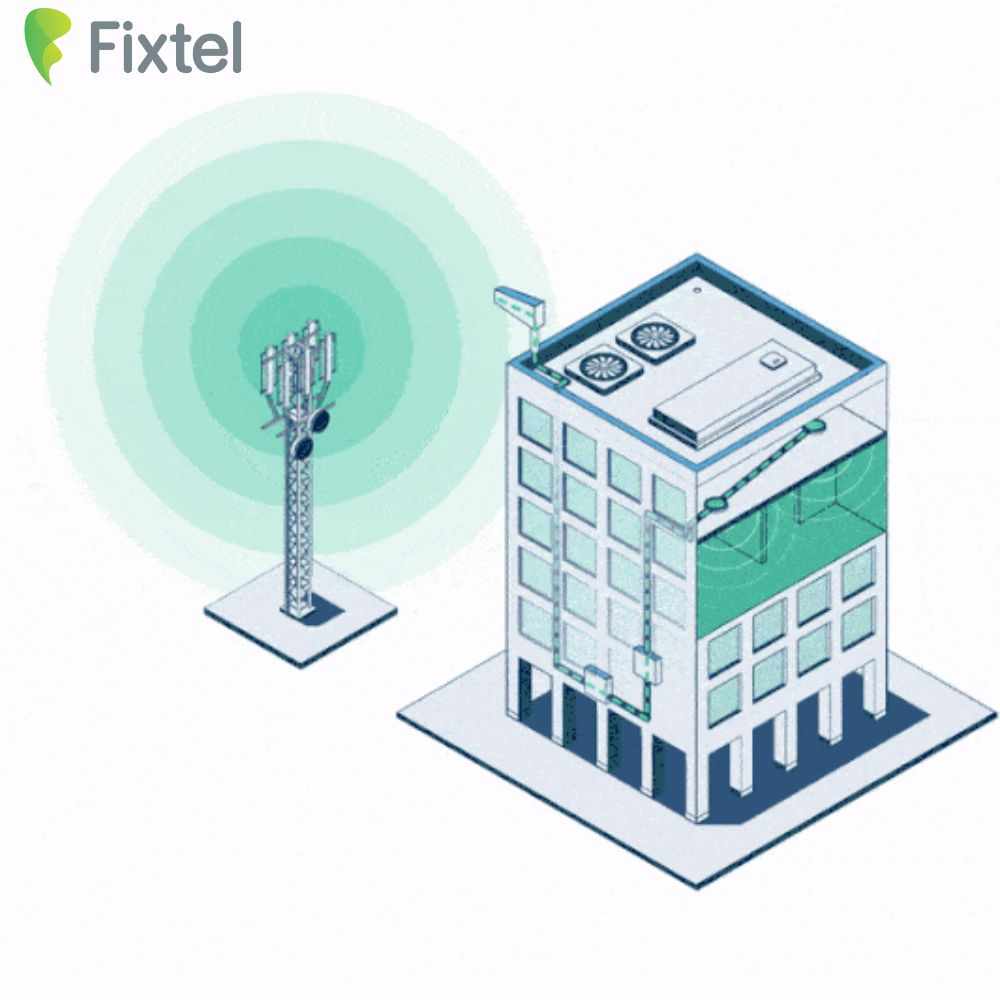
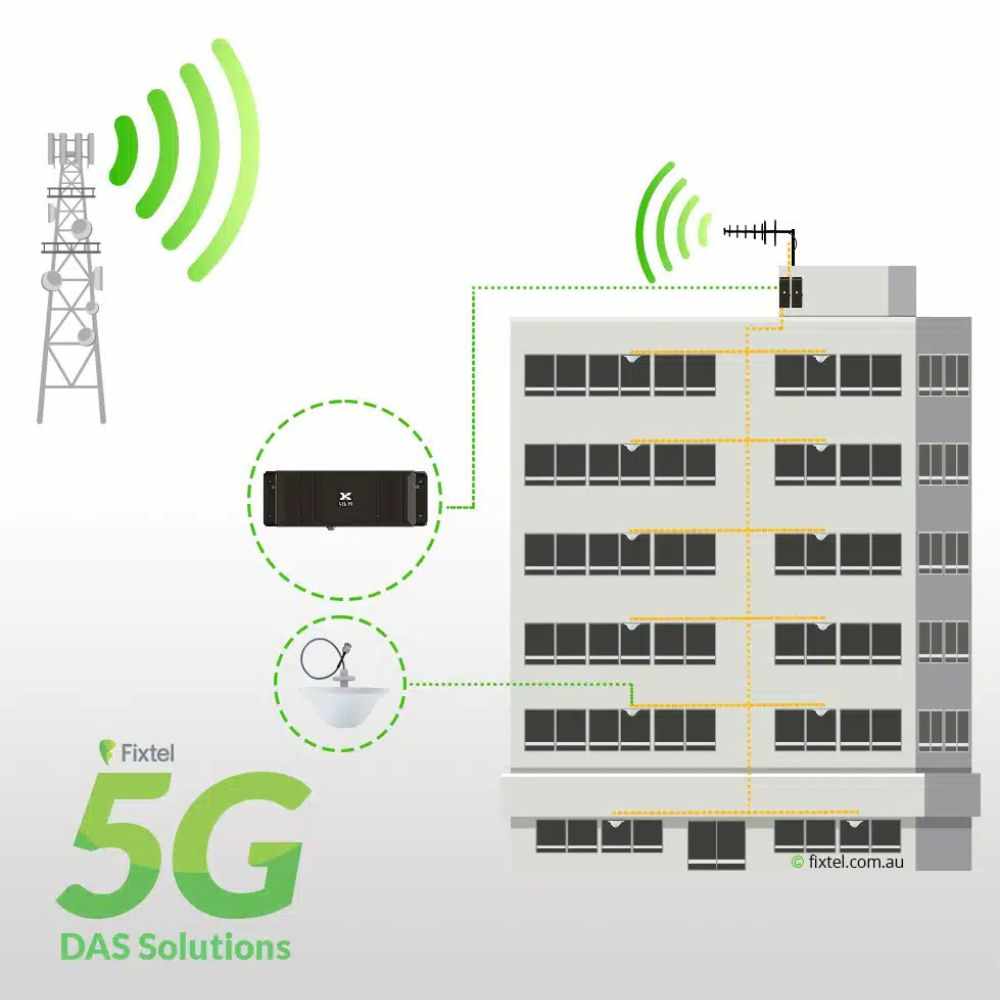
Distributed antenna systems are network solutions designed to enhance wireless signal strength by distributing multiple antennas throughout a building or area. Unlike a single antenna that attempts to cover an entire space, a das antenna system brings the signal closer to users. These antennas are connected to a central signal source and work together to ensure uniform coverage, eliminating dead zones and signal drops.
Distributed Antenna systems are commonly used in environments where reliable connectivity is critical, including:
Commercial office buildings
Hospitals and healthcare facilities
Shopping centres and retail complexes
Hotels and entertainment venues
Airports, stadiums, and transport hubs
Warehouses and industrial facilities
How a DAS Antenna System Works
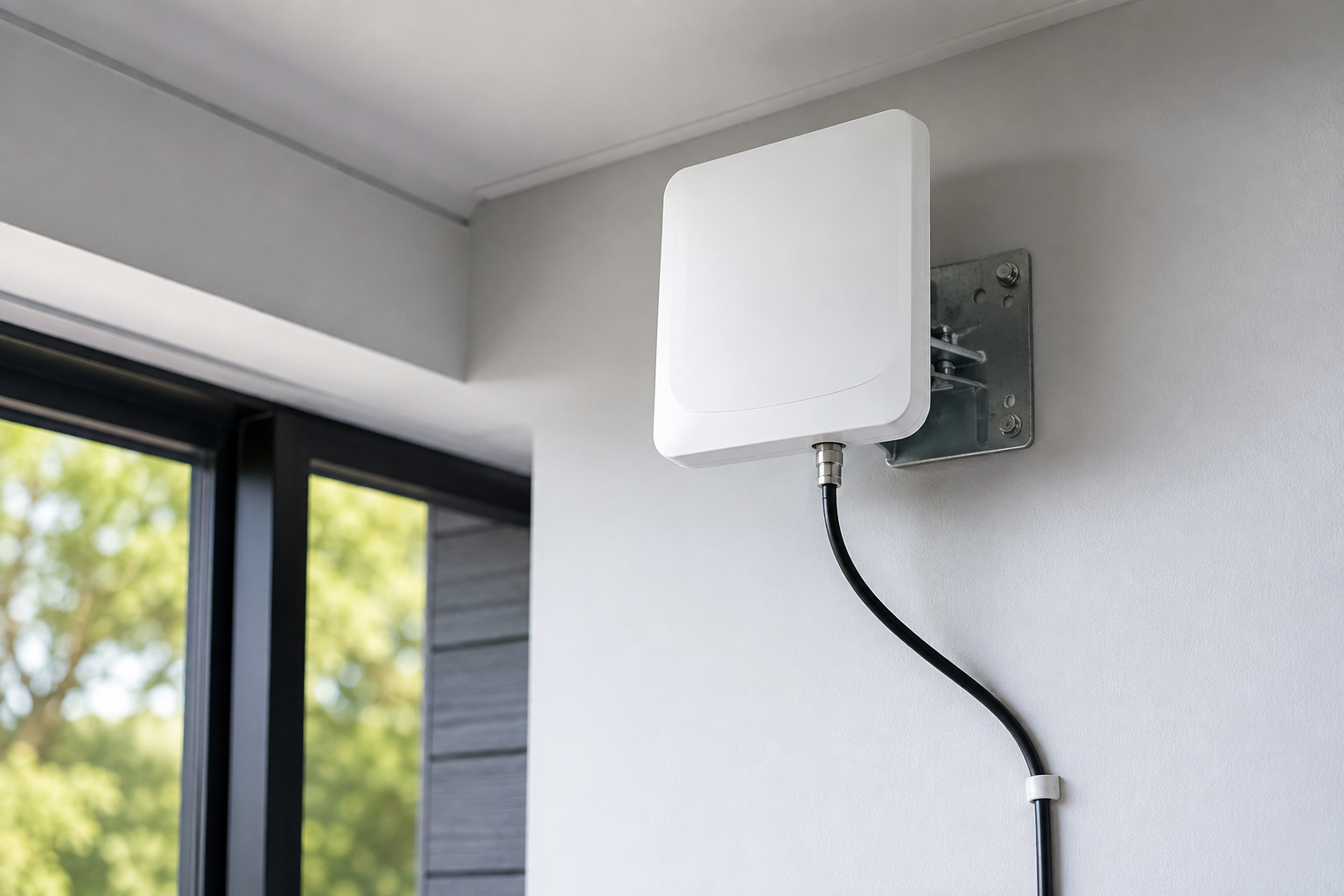
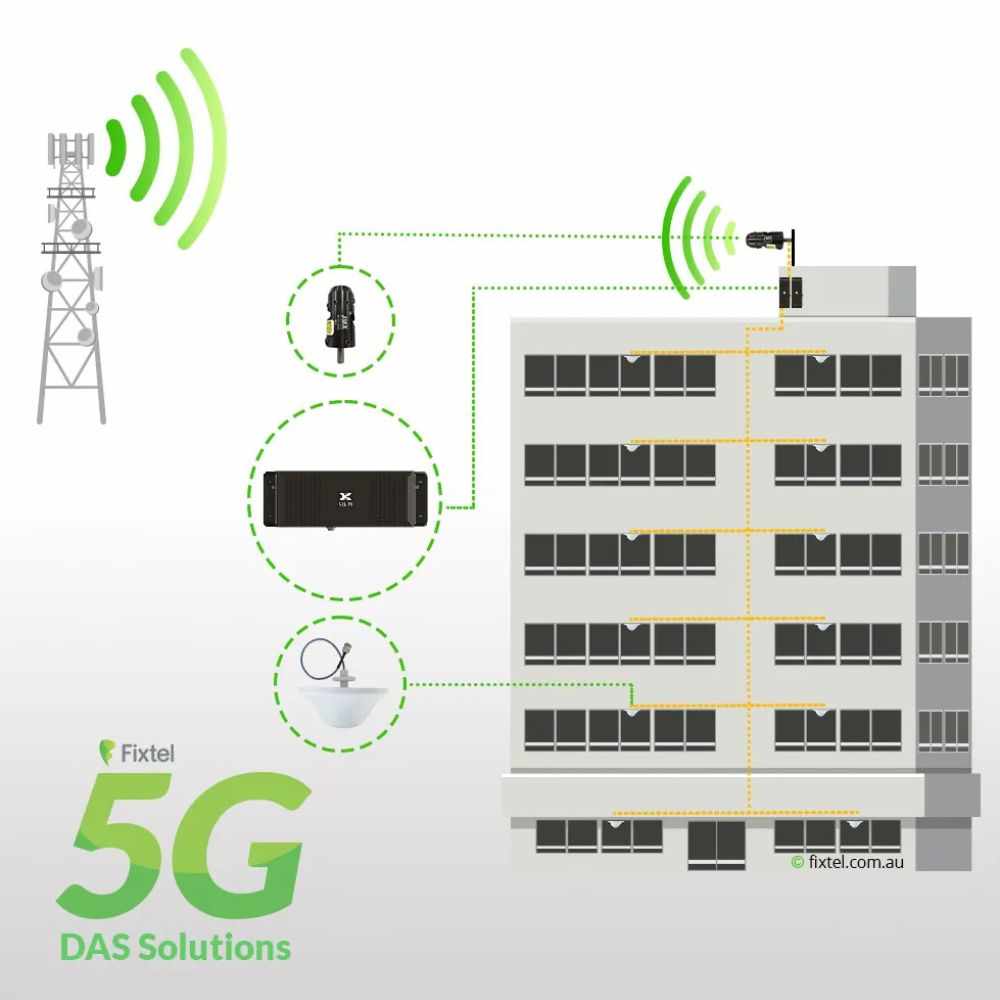
A das antenna system captures a wireless signal from a mobile carrier or base station and redistributes it through a network of antennas. The system consists of three primary components: the signal source, the distribution network, and the antennas. The distribution network relies heavily on das antenna cabling to ensure efficient signal transmission.
Key functions of a distributed antenna system include:
Evenly distributing wireless signals across large areas
Reducing interference and signal degradation
Supporting multiple users simultaneously
Improving call quality and mobile data performance
Importance of DAS Antenna Cabling
DAS antenna cabling is one of the most critical elements of any distributed antenna system. The quality and layout of the cabling directly affect signal strength and system reliability. Poor cabling can result in signal loss, uneven coverage, and increased maintenance costs.
Benefits of properly designed das antenna cabling include:
Minimal signal attenuation over long distances
Reliable connectivity in high-density environments
Improved system lifespan and performance
Easier upgrades and scalability
Depending on the size and complexity of the building, systems may use coaxial cabling, fibre optic cabling, or a hybrid approach.
Types of Distributed Antenna Systems
There are several types of distributed antenna systems, each designed to meet specific coverage requirements:
Passive systems: Suitable for smaller buildings with moderate coverage needs
Active systems: Ideal for large facilities and campuses requiring high capacity
Hybrid systems: A flexible solution combining passive and active components
Selecting the right das antenna system depends on factors such as building size, user density, and future technology requirements.
Benefits of Distributed Antenna Systems
Distributed Antenna systems offer a wide range of benefits for businesses, property owners, and end users. They improve both the quality and reliability of wireless communication while supporting modern connectivity demands.
Key advantages include:
Elimination of dead zones and weak signal areas
Support for multiple mobile carriers on one system
Improved voice clarity and faster data speeds
Enhanced user experience and productivity
Future-ready infrastructure supporting 5G and beyond
Applications Across Different Sectors
Distributed Antenna systems are used across many industries due to their adaptability and performance. In commercial offices, they enable uninterrupted communication and support mobile workforces. Healthcare environments rely on Distributed Antenna systems to support critical communication and connected medical equipment.
Industries that benefit most from das antenna systems include:
Corporate and enterprise environments
Retail and hospitality sectors
Industrial and logistics operations
Residential high-rise developments
Public venues and transport facilities
Supporting Public Safety and Compliance
Public safety communication is a crucial application of distributed antenna systems. Emergency responders rely on reliable wireless coverage in stairwells, basements, tunnels, and enclosed spaces. Many regulations now require in-building coverage for emergency services.
A compliant das antenna system supports dedicated public safety frequencies and ensures clear communication during emergencies. High-quality das antenna cabling and regular system testing are essential to maintain compliance and reliability.
Future of Distributed Antenna Systems
As wireless demand continues to grow, Distributed Antenna systems are becoming a standard part of modern building infrastructure. The expansion of 5G, smart buildings, and connected devices is increasing the need for strong and consistent indoor coverage.
Modern das antenna systems are designed to be scalable, allowing future upgrades without major structural changes. This ensures long-term value and adaptability as technology evolves.
Conclusion
Distributed Antenna Systems provide a reliable and efficient solution for overcoming wireless coverage challenges in modern buildings. By combining strategically placed antennas, robust das antenna cabling, and scalable design, a das antenna system delivers consistent connectivity and enhanced performance.
Whether improving user experience, supporting business operations, or ensuring public safety, Distributed Antenna systems play a vital role in meeting today’s and future wireless communication needs.






Write a comment ...