In today’s digital landscape, strong and reliable communication networks are essential for businesses, public infrastructure, and everyday operations. As cities continue to expand and buildings become more complex, maintaining consistent mobile and data coverage has become increasingly challenging. This is where Distributed Antenna Systems, Melbourne play a crucial role in ensuring seamless connectivity across indoor and outdoor environments.
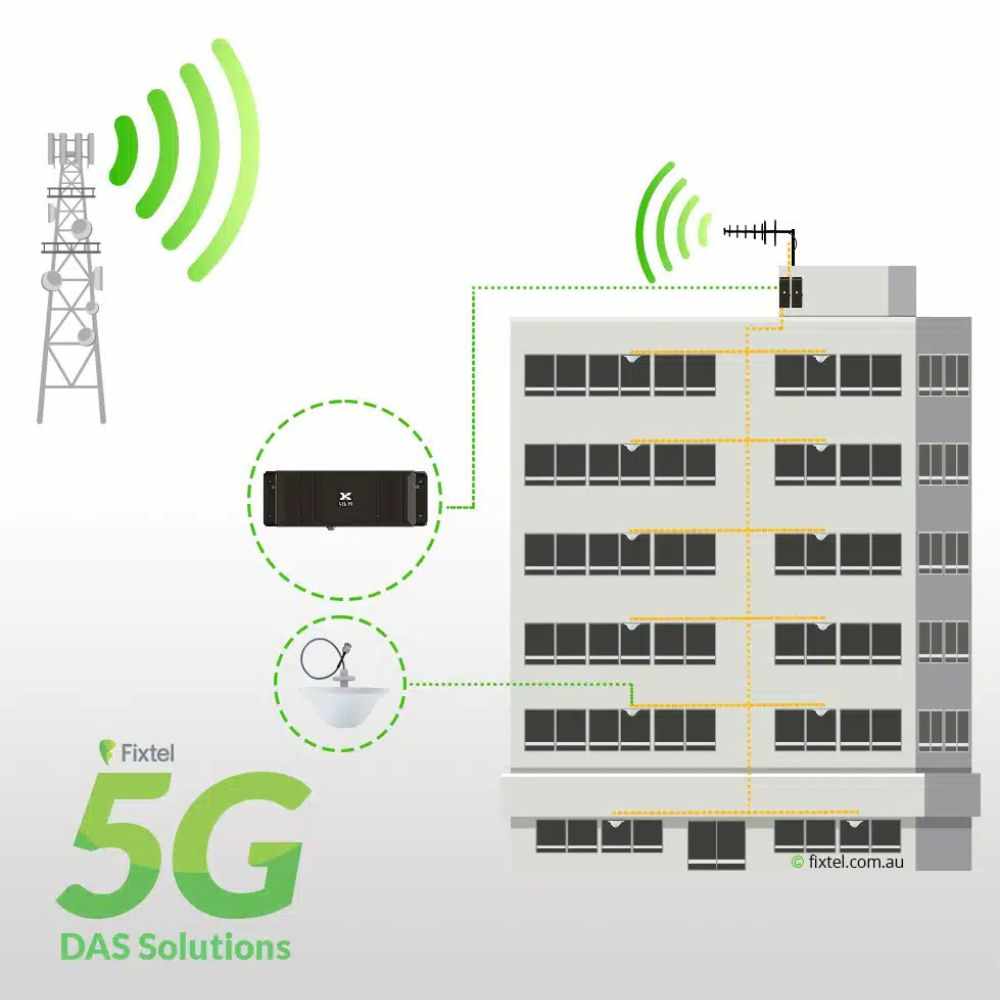
A distributed antenna system is designed to enhance wireless coverage by distributing signals through a network of antennas installed throughout a building or area. Whether it is a commercial tower, hospital, shopping center, or transport hub, a well-planned das system ensures that users experience uninterrupted communication without signal drops or dead zones.
Understanding DAS Antenna Systems
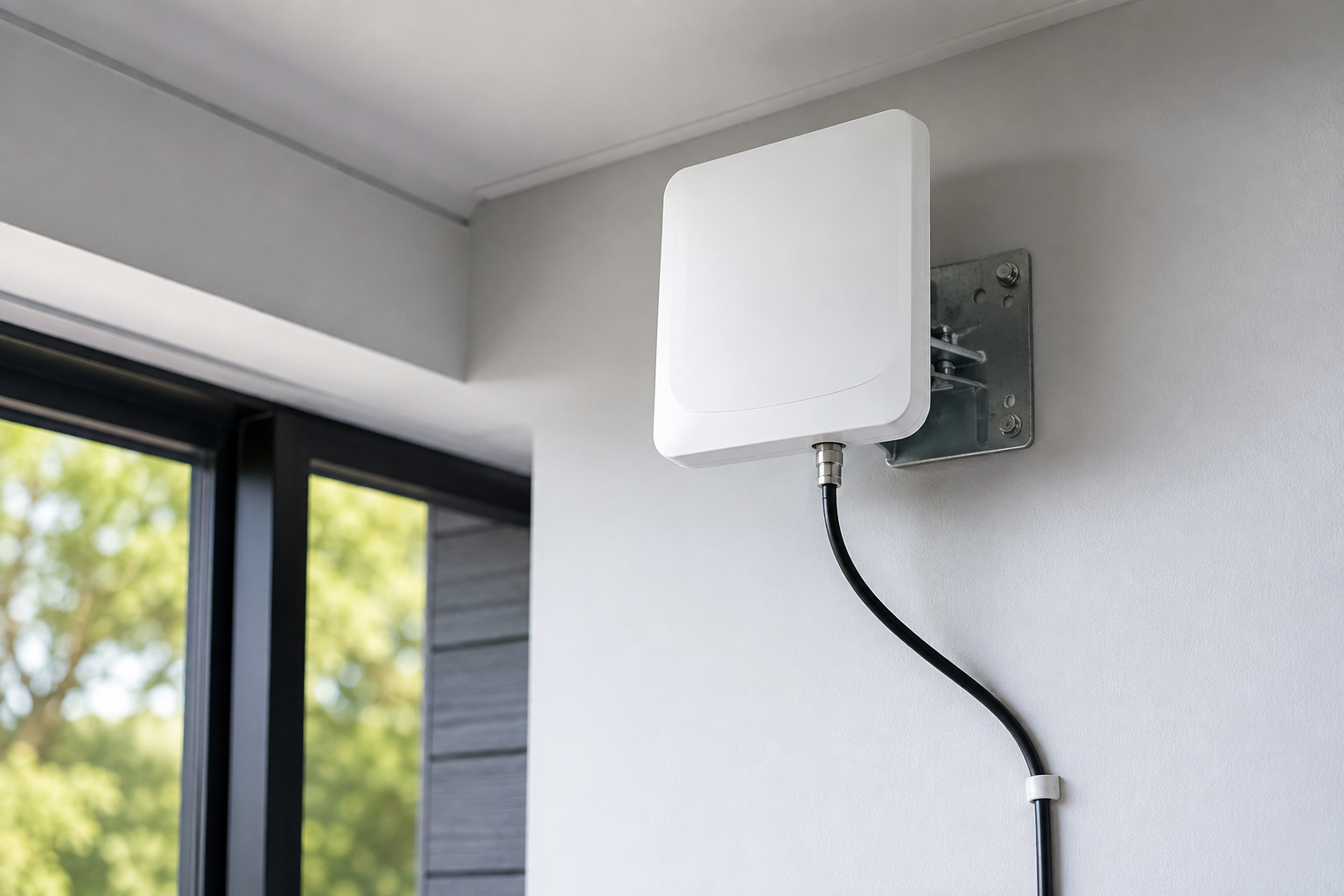
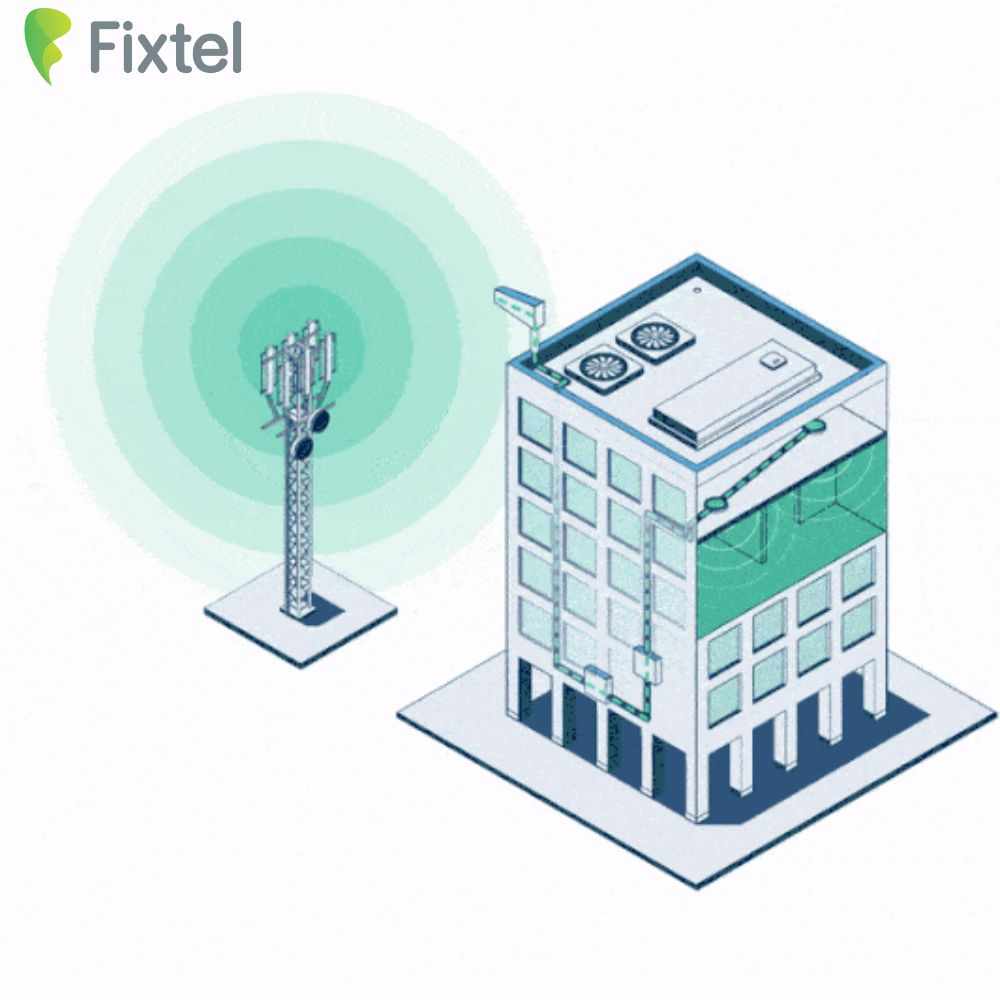
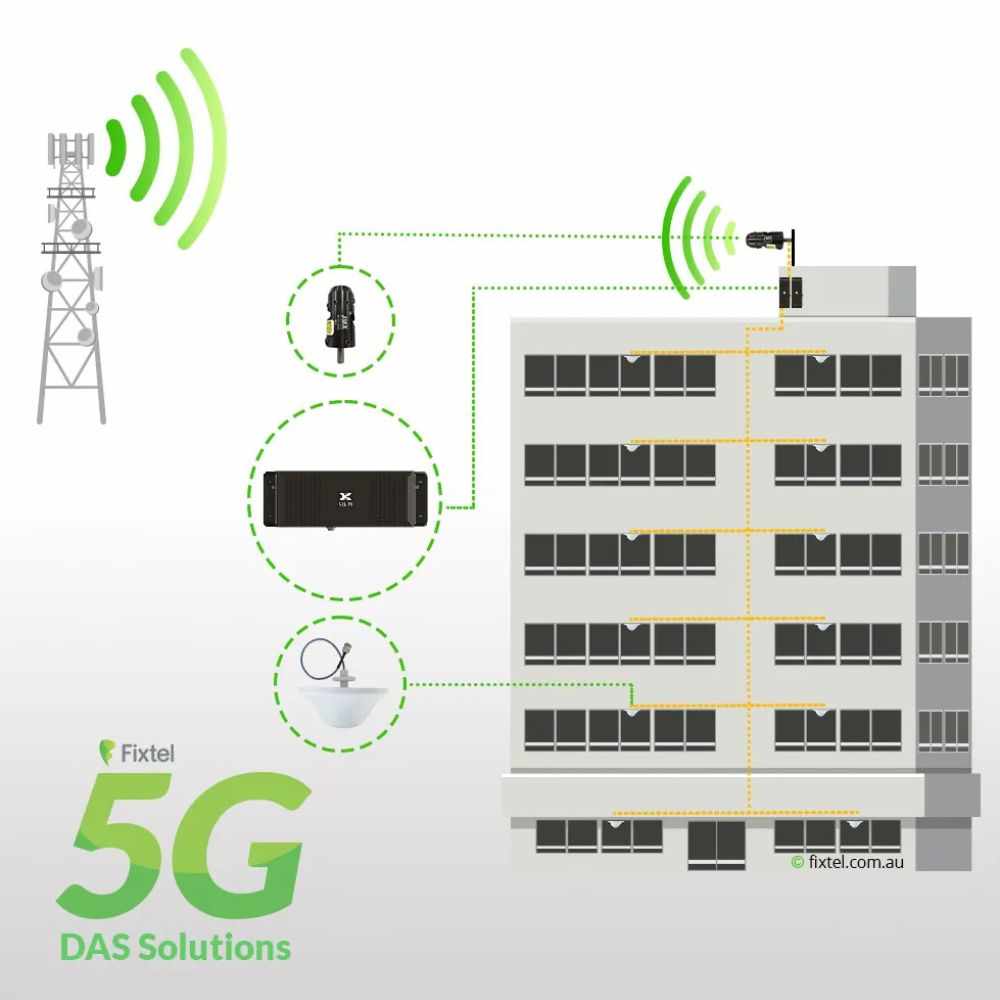
A DAS antenna system works by taking a signal from a source such as a mobile network and distributing it across multiple antennas placed strategically throughout a structure. These antennas provide consistent coverage, allowing users to access voice and data services efficiently.
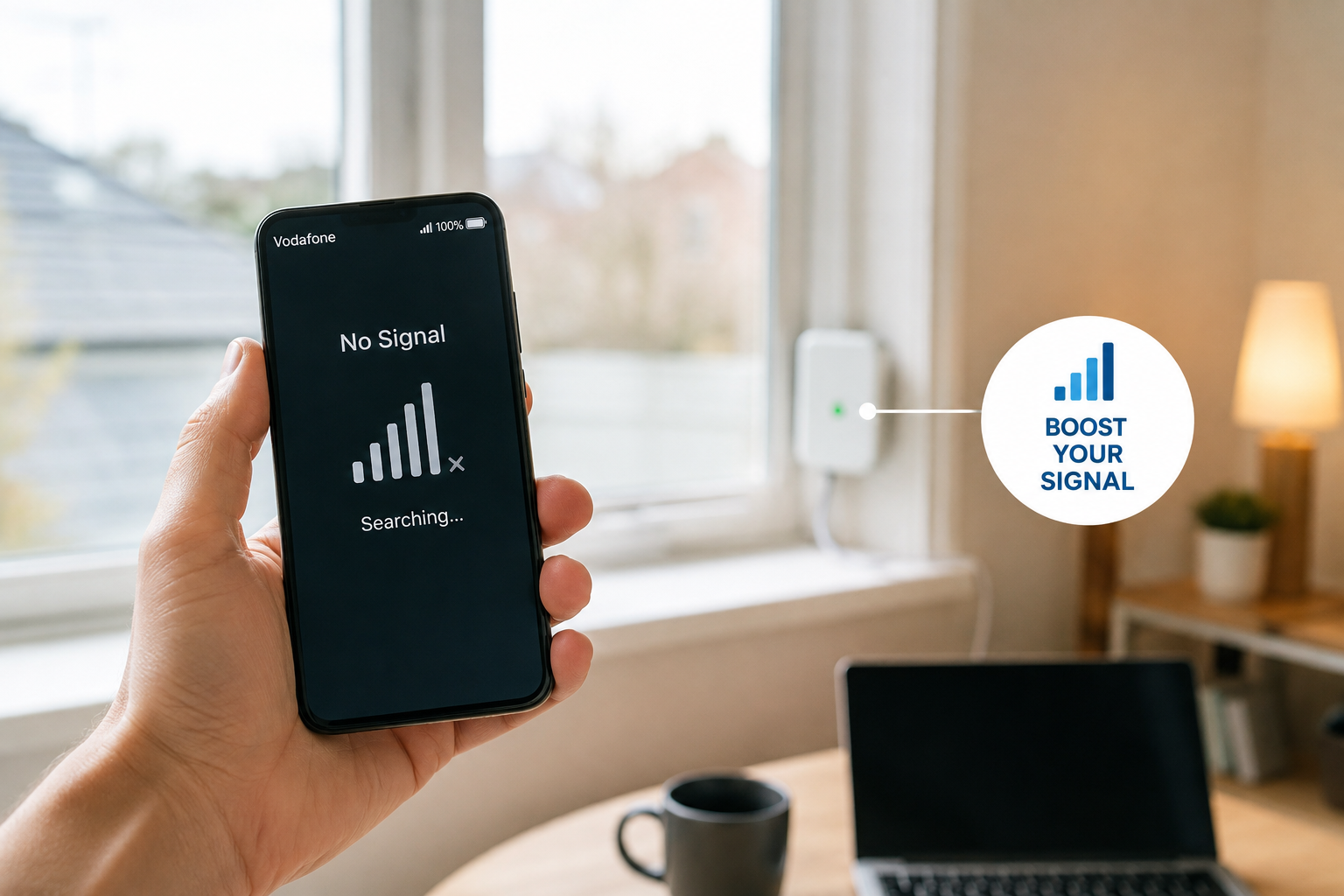
In large buildings or densely constructed areas, traditional network signals often struggle to penetrate walls, steel structures, and underground levels. Distributed antenna systems solve this problem by bringing the signal closer to the user. This ensures that mobile devices receive a strong and stable connection regardless of their location within the building.
The growing demand for distributed antenna systems Australia highlights the importance of advanced communication infrastructure. Businesses and organizations are investing in DAS solutions to support modern technologies and improve user experience.

The Importance of DAS Antenna Cabling
At the core of every effective DAS system lies a robust cabling infrastructure. DAS antenna cabling is responsible for carrying signals from the source to each antenna within the network. Without proper cabling, even the most advanced system would fail to deliver consistent performance.
High-quality cabling ensures minimal signal loss and efficient transmission across the entire system. It connects various components such as amplifiers, splitters, and antennas, forming a unified network that delivers reliable coverage. In Melbourne, where buildings vary in size and complexity, properly designed cabling systems are essential for achieving optimal results.
Poor cabling can lead to signal degradation, interference, and inconsistent coverage. This can impact communication, reduce productivity, and create safety risks in critical environments. Therefore, investing in professional DAS antenna cabling installation is a key factor in the success of any distributed antenna system.
Types of DAS Systems and Cabling Requirements
Distributed antenna systems can be broadly classified into passive and active systems, each with its own cabling requirements.
Passive DAS systems rely on coaxial cables to distribute signals. These systems are commonly used in smaller buildings or facilities where coverage requirements are limited. They are cost-effective and relatively simple to install, making them suitable for basic connectivity needs.
Active DAS systems, on the other hand, use fiber optic cables along with advanced electronic components to transmit signals over longer distances. These systems are ideal for large-scale projects such as airports, stadiums, and high-rise buildings. Fiber optic cabling provides higher bandwidth, lower signal loss, and greater scalability.
In Melbourne, both types of systems are widely implemented depending on the project’s size, budget, and technical requirements. Choosing the right cabling solution is essential to ensure long-term performance and reliability.
Benefits of Proper DAS Antenna Cabling
A well-designed DAS antenna system with efficient cabling offers numerous benefits. One of the most significant advantages is improved signal strength and coverage. By ensuring that signals are evenly distributed, users can enjoy uninterrupted connectivity throughout the building.
Another key benefit is enhanced network capacity. As more devices connect to the network, the demand for bandwidth increases. A properly installed DAS system can handle high traffic volumes without compromising performance.
Safety is also a major consideration. In emergency situations, reliable communication is critical for coordination and response. Distributed antenna systems provide consistent coverage for emergency services, ensuring that communication lines remain open when they are needed most.
Additionally, DAS systems contribute to better user experience. Whether it is making calls, streaming content, or accessing cloud-based applications, users benefit from fast and stable connections. This is particularly important in commercial environments where connectivity directly impacts productivity and customer satisfaction.
DAS Systems for Modern Buildings in Melbourne
Modern buildings are equipped with advanced technologies that require strong and reliable connectivity. From smart building systems and IoT devices to security networks and automation, all these technologies depend on efficient communication infrastructure.
Distributed antenna systems Melbourne solutions support these requirements by providing a stable network foundation. With the integration of DAS antenna cabling, buildings can maintain consistent performance across all connected devices.
Industries such as healthcare, education, retail, and transportation are increasingly adopting DAS systems. Hospitals require reliable communication for medical equipment and staff coordination. Educational institutions depend on strong networks for digital learning. Retail spaces need seamless connectivity to enhance customer experience. Transport hubs rely on uninterrupted communication for operations and safety.
Scalability and Future-Ready Infrastructure
One of the key advantages of distributed antenna systems is their scalability. As technology evolves and connectivity demands grow, DAS systems can be upgraded to support new standards such as 5G.
The use of advanced DAS antenna cabling ensures that the system can handle higher data speeds and increased capacity. This makes it a future-ready solution for businesses and organizations looking to stay competitive in a rapidly changing digital environment.
In Australia, the adoption of next-generation communication technologies is driving the demand for robust DAS infrastructure. Investing in a scalable system today ensures long-term benefits and reduces the need for costly upgrades in the future.

Installation and Maintenance Considerations
The success of a distributed antenna system depends on proper planning, installation, and maintenance. Each building has unique characteristics that must be taken into account during the design phase. Factors such as layout, materials, and usage patterns influence the placement of antennas and the routing of cabling.
Professional installation ensures that the DAS antenna system operates at peak performance. Regular maintenance and monitoring are also essential to identify and resolve issues before they impact connectivity. Advanced monitoring tools provide real-time insights into system performance, enabling proactive management.
Frequently Asked Questions
What is a DAS antenna system?
A DAS antenna system is a network of antennas distributed throughout a building to improve wireless coverage and signal strength.
Why is DAS antenna cabling important?
DAS antenna cabling ensures efficient signal transmission between the source and antennas, minimizing signal loss and maintaining consistent performance.
Where are distributed antenna systems commonly used?
Distributed antenna systems are used in commercial buildings, hospitals, shopping centers, airports, tunnels, and other large or complex structures.
What is the difference between active and passive DAS systems?
Passive systems use coaxial cables and are suitable for smaller areas, while active systems use fiber optics and are ideal for large-scale installations.
Can a DAS system support 5G technology?
Yes, modern DAS systems are designed to support 5G and other advanced communication technologies, making them future-ready.
How does a DAS system improve safety?
By providing reliable communication coverage, DAS systems ensure that emergency services can communicate effectively during critical situations.
Conclusion
The role of DAS antenna cabling in modern connectivity solutions is fundamental to the performance and reliability of distributed antenna systems. As Melbourne continues to grow and embrace advanced technologies, the need for strong and consistent communication networks becomes increasingly important.
Distributed antenna systems Melbourne solutions provide an effective way to eliminate dead zones, enhance signal strength, and support modern infrastructure. With proper planning, high-quality cabling, and professional installation, DAS systems deliver long-term benefits in terms of performance, safety, and scalability.
As businesses and industries continue to rely on seamless connectivity, investing in a reliable das system is no longer optional but essential for future success.







Write a comment ...