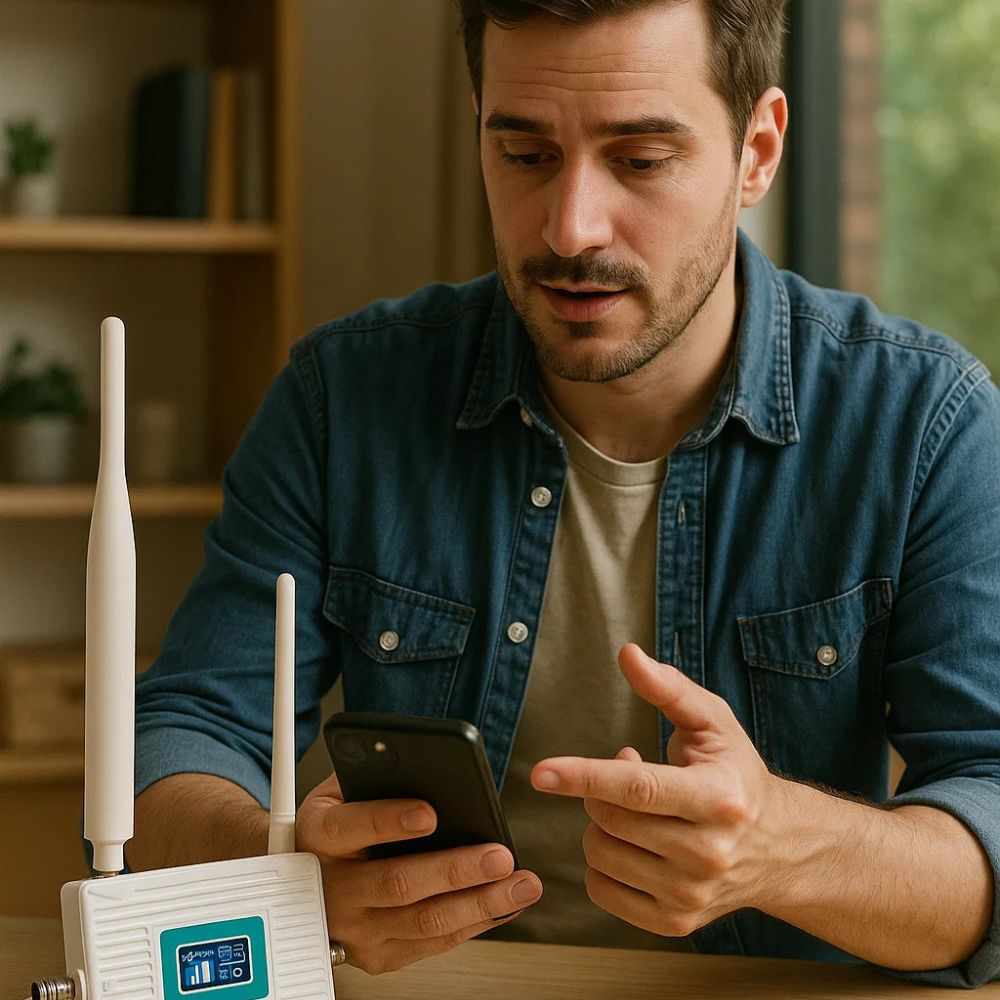
If you’ve noticed more people complaining about dropped calls or slow mobile data lately, you’re not imagining it. As you rely more on mobile connectivity—whether for work calls, streaming, or smart devices—the demand for consistent signal strength has skyrocketed. That’s where mobile boosters and repeaters enter the conversation.
📡 So, What Exactly Is a Mobile Signal Repeater?
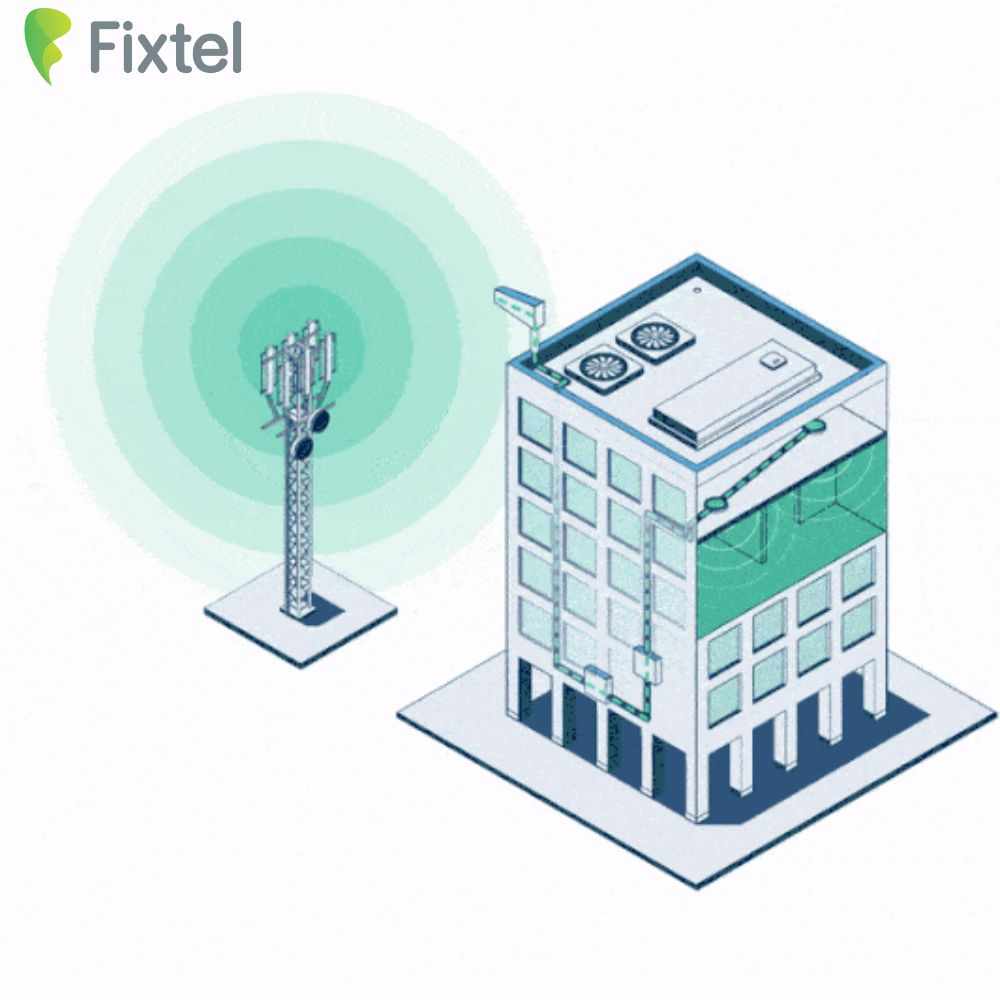
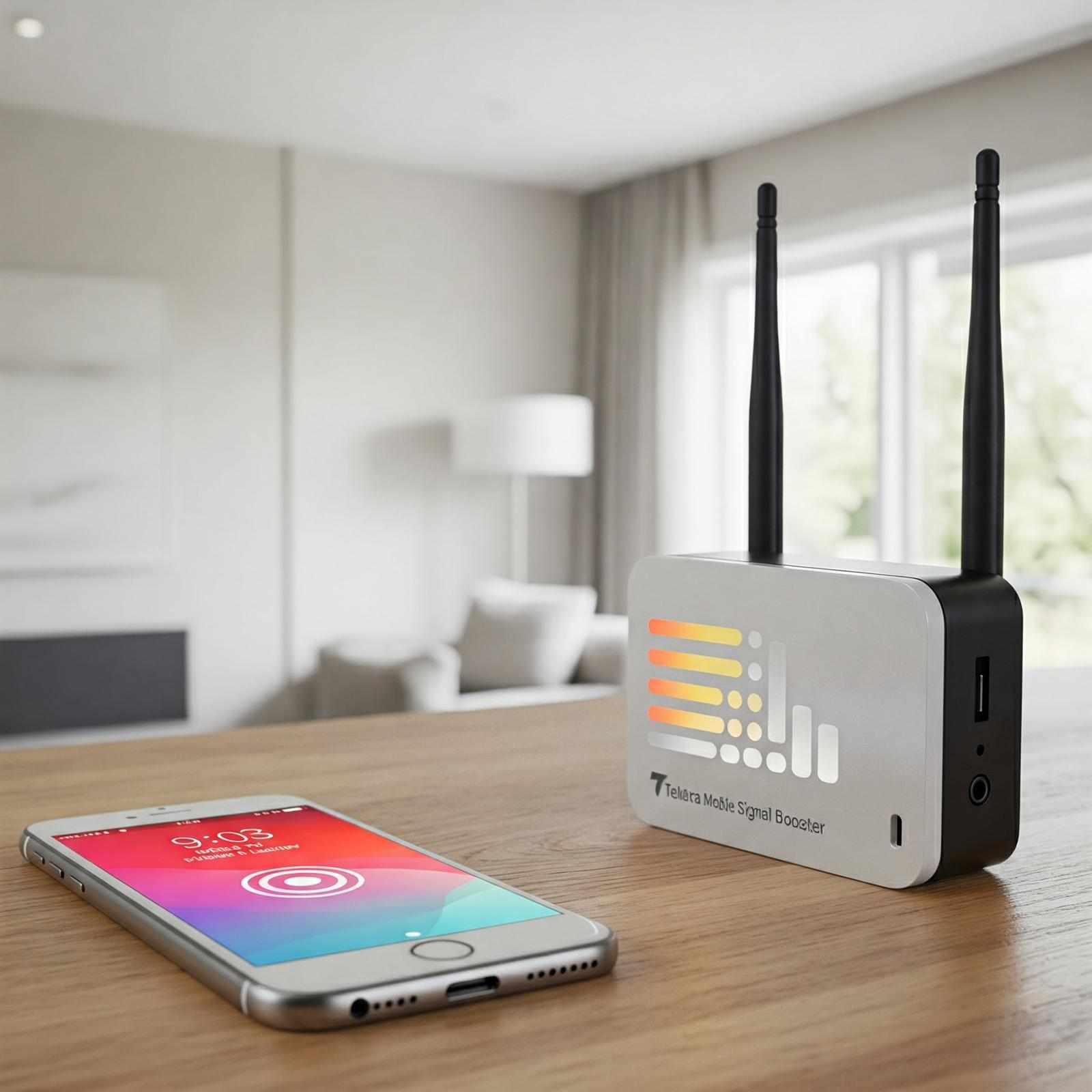
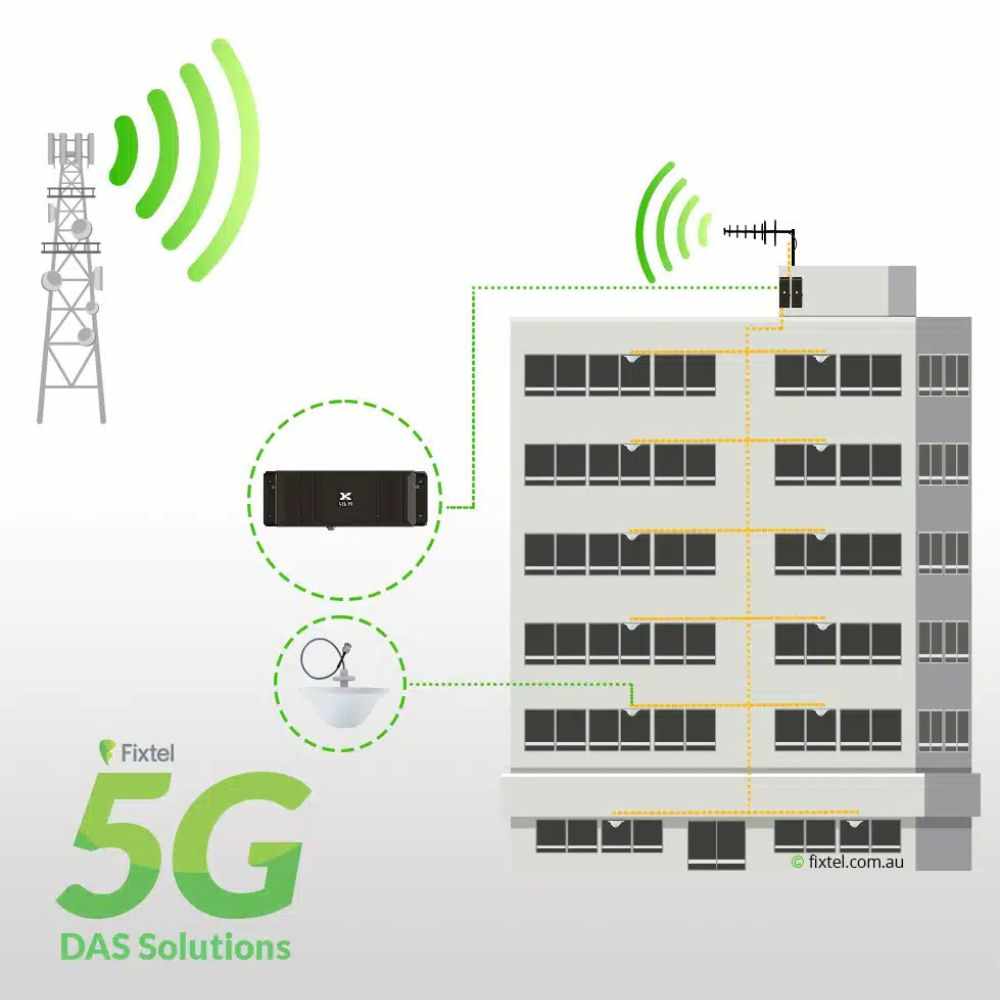
Think of a mobile signal repeater as a middleman for your phone signal. It doesn’t create signal out of thin air (sadly, no magic here), but it captures existing weak signals, amplifies them, and redistributes them indoors.
In simple terms:
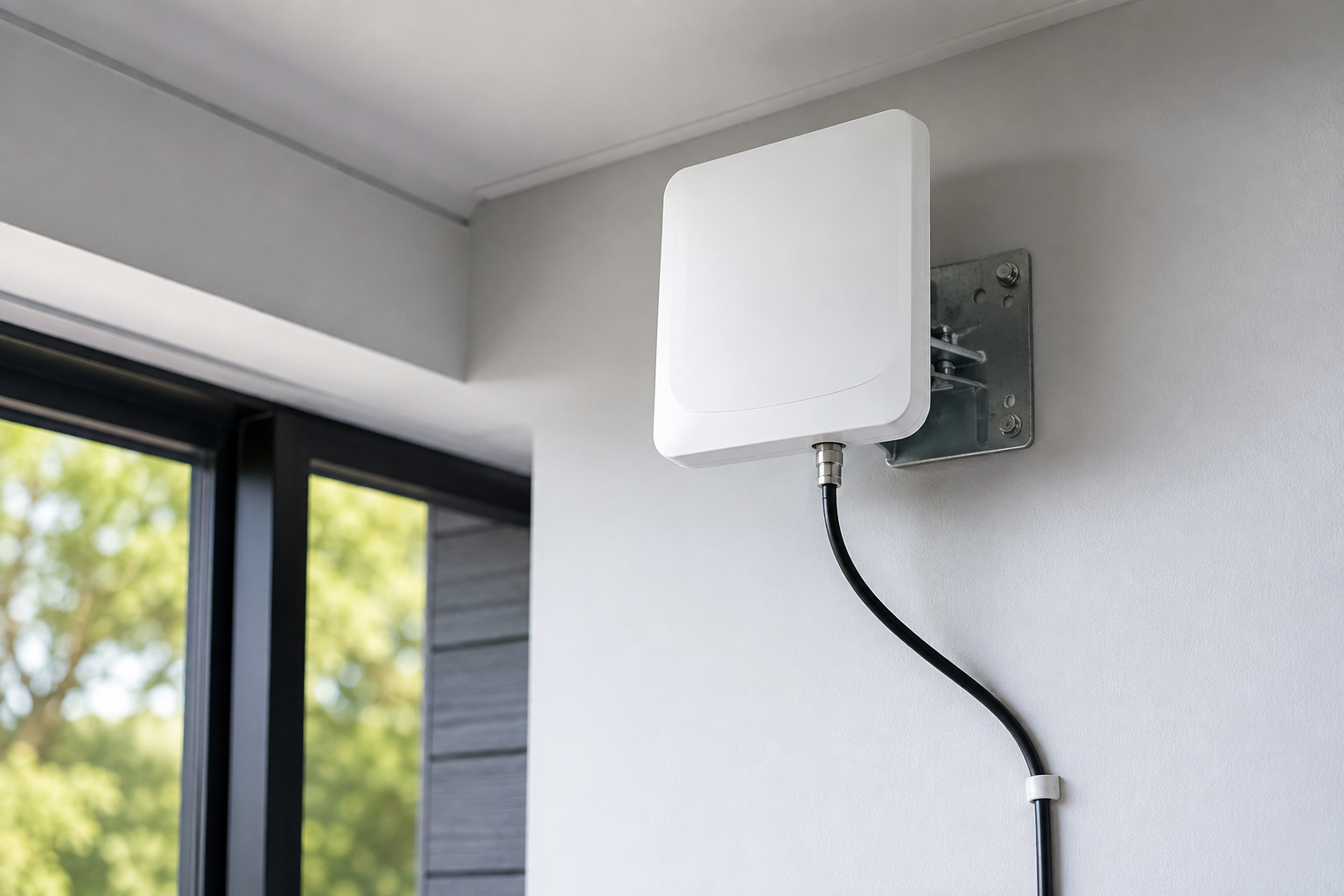
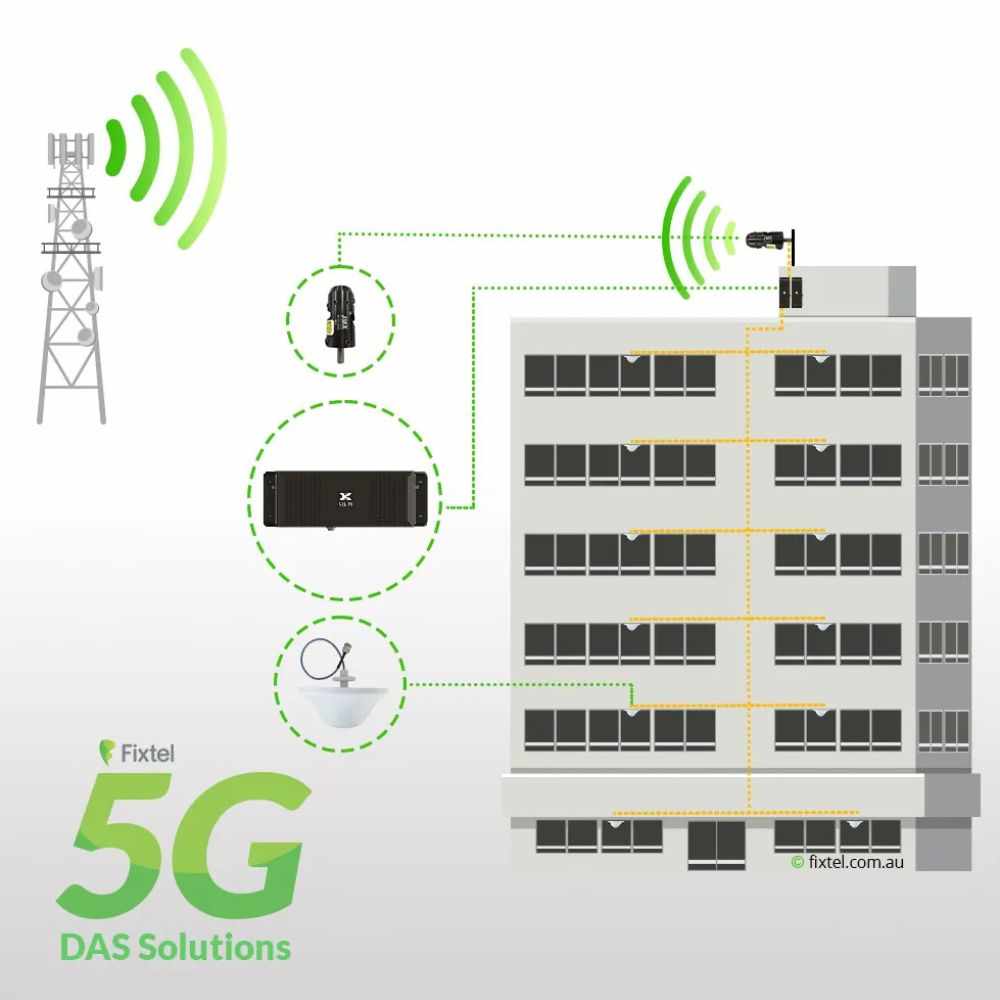
External antenna grabs signal from outside
Amplifier (booster) strengthens it
Internal antenna broadcasts it inside your space
If your office feels like a signal black hole, this setup can make a noticeable difference.
🔧 Why You’re Seeing a Rise in Mobile Boosters
You’re living in a time where connectivity isn’t optional—it’s critical. With hybrid work, video calls, and cloud tools, weak signal equals lost productivity.
In places like Australia, the issue is even more pronounced. According to industry discussions and installer feedback, many buildings—especially concrete-heavy structures—block signals. That’s why searches for signal booster Australia and mobile phone signal booster Australia have surged.
Even telecom forums and Reddit threads are full of users saying things like:
“My office had zero bars until we installed a repeater—game changer.”
⚠️ The Catch (Because There’s Always One)
Here’s where things get tricky. Not all boosters are legal everywhere. In Australia, for example, only carrier-approved solutions like Cel-Fi are permitted. Using unauthorized devices can interfere with networks—so yes, your “quick fix” could annoy an entire neighborhood.
I’ll admit, the regulations can be confusing. Even experts sometimes debate what qualifies as compliant. But the safe route? Stick with approved systems and professional installers.
🧠 How It Actually Helps You
When installed correctly, a repeater can:
Reduce dropped calls
Improve voice clarity
Boost mobile data speeds
Support multiple users simultaneously
For businesses, that’s not just convenience—it’s operational necessity.
🤔 Final Thoughts: Where Is This Heading?
You’re likely going to see even more reliance on mobile boosters as buildings get smarter but also more signal-resistant. With 5G expanding, expectations for speed and reliability will only grow.
What’s still unclear is how regulations and technology will evolve together. Will future buildings integrate signal systems by default? Or will you still need add-on solutions?
Either way, one thing’s certain: weak signal is no longer something you’ll just “put up with.” And honestly, why should you?




Write a comment ...