
Weak indoor reception can cause dropped calls, slow data, and unreliable connectivity, making everyday mobile use frustrating. Whether you're making an important call from home, working remotely, streaming content, or simply browsing the internet, a poor connection can quickly become a problem. In some situations, a Vodafone mobile signal booster may help improve indoor coverage when there is an existing outdoor signal but the building is preventing it from reaching certain areas effectively. Before choosing any booster, however, it helps to understand why your signal is weak and what factors are affecting your mobile coverage.
A Vodafone mobile signal booster can be worth considering when weak indoor reception causes dropped calls, slow data, or unreliable connectivity. However, before choosing a booster, it helps to understand why your signal is weak and what factors are affecting your mobile coverage.
For many people, mobile connectivity is something they expect to work wherever they are. Whether you're making an important call from home, working remotely, streaming content, or simply browsing the internet, a weak signal can quickly become frustrating. The good news is that there are several ways to approach the problem.
Why Is Your Vodafone Signal Weak?
Mobile signal strength can vary significantly depending on where you are. Your distance from a nearby mobile tower is one factor, but it isn't the only one. Buildings, walls, windows, insulation, and other construction materials can interfere with the signal as it travels indoors.
The location of your home can also make a difference. Rural properties, buildings surrounded by hills or dense vegetation, and areas with limited network coverage may experience weaker reception than locations closer to mobile infrastructure.
Even inside the same property, signal strength can vary from room to room. You might have a good connection near a window but struggle to make a call from an interior room.
Start by Checking Where the Problem Occurs
Before investing in any equipment, take some time to understand the coverage issue. Walk around your property and check where your phone receives the strongest and weakest signal.
You may notice that reception improves upstairs, near windows, or in outdoor areas. This information can help you determine whether the problem is primarily related to indoor signal penetration or whether coverage is already weak outside the building.
It's also useful to check whether the problem affects calls, mobile data, or both. If calls are consistently dropping while data speeds remain reasonable, the issue may require a different approach than a situation where both services are unreliable.
Your Building Could Be Blocking the Signal
Modern buildings are designed with materials that can sometimes make indoor mobile reception more difficult. Thick concrete walls, metal structures, energy-efficient windows, and other materials can reduce the strength of a signal as it enters the building.
This can create what feels like a frustrating contradiction: your phone may work perfectly outside, but the connection becomes unreliable once you step indoors.
In these situations, improving indoor coverage may require more than simply moving your phone around. Understanding how the external signal reaches the building is an important part of finding the right solution.
How a Signal Booster Can Help
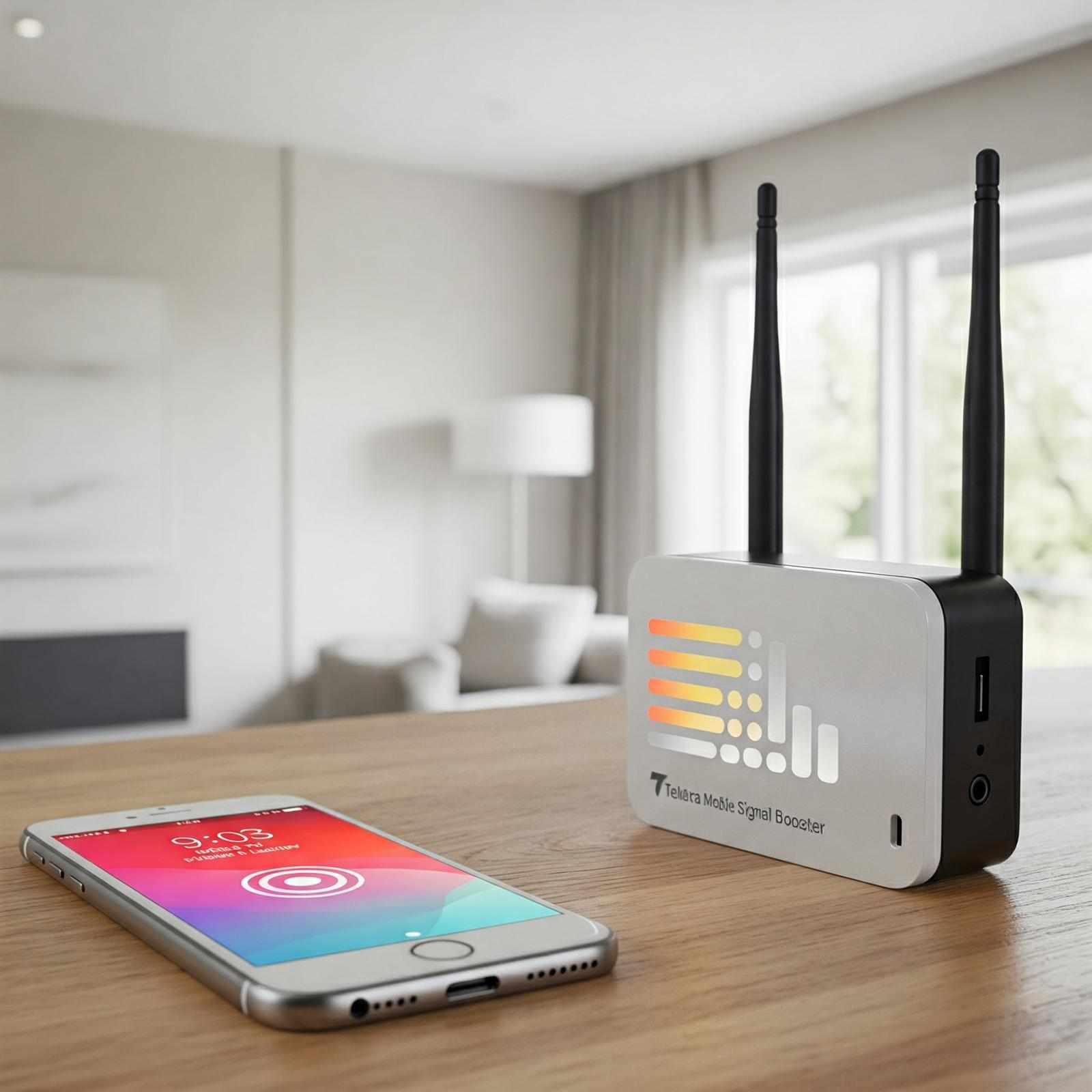
A mobile signal booster is designed to improve cellular coverage in areas where an usable external signal is available but the indoor signal is weak.
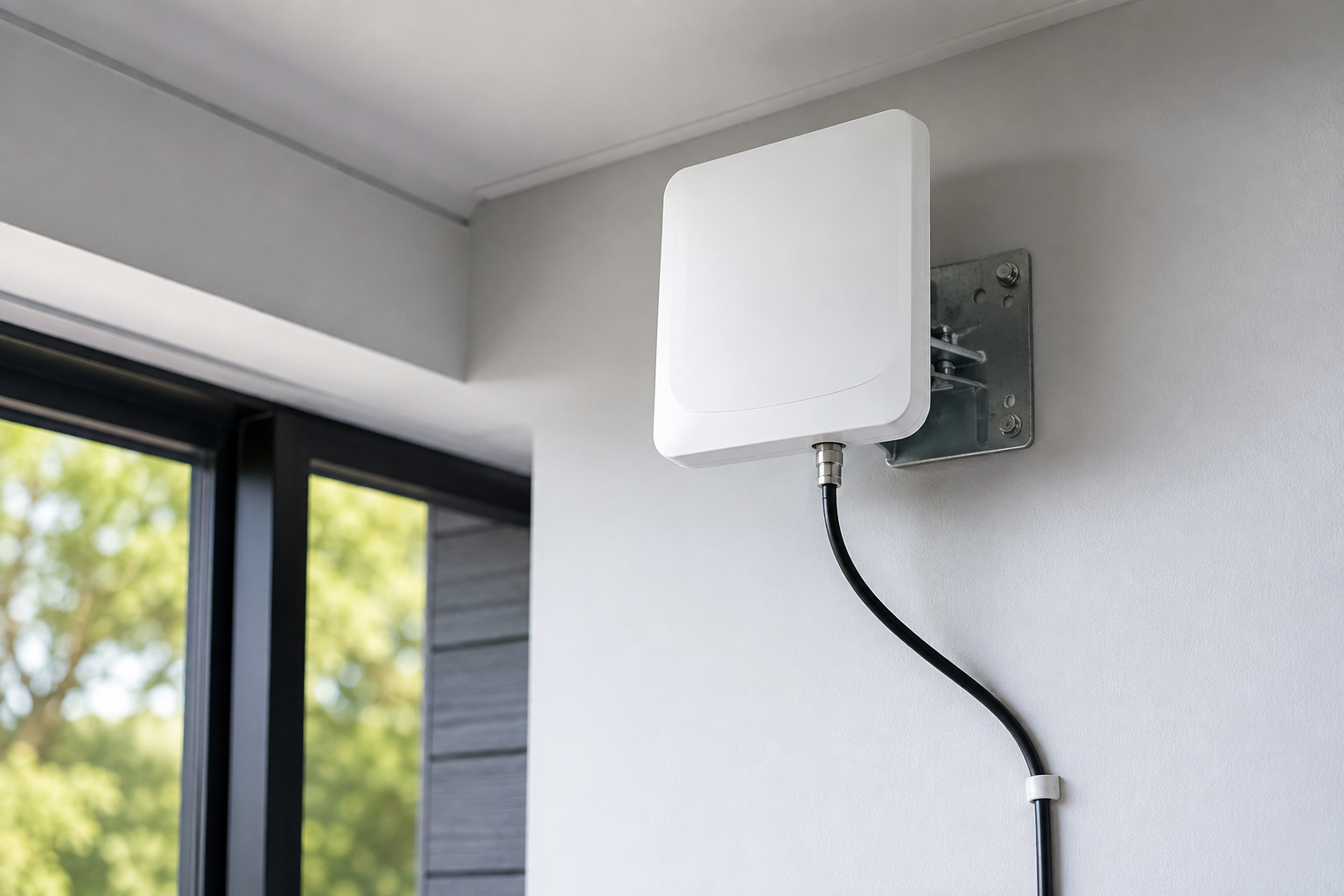
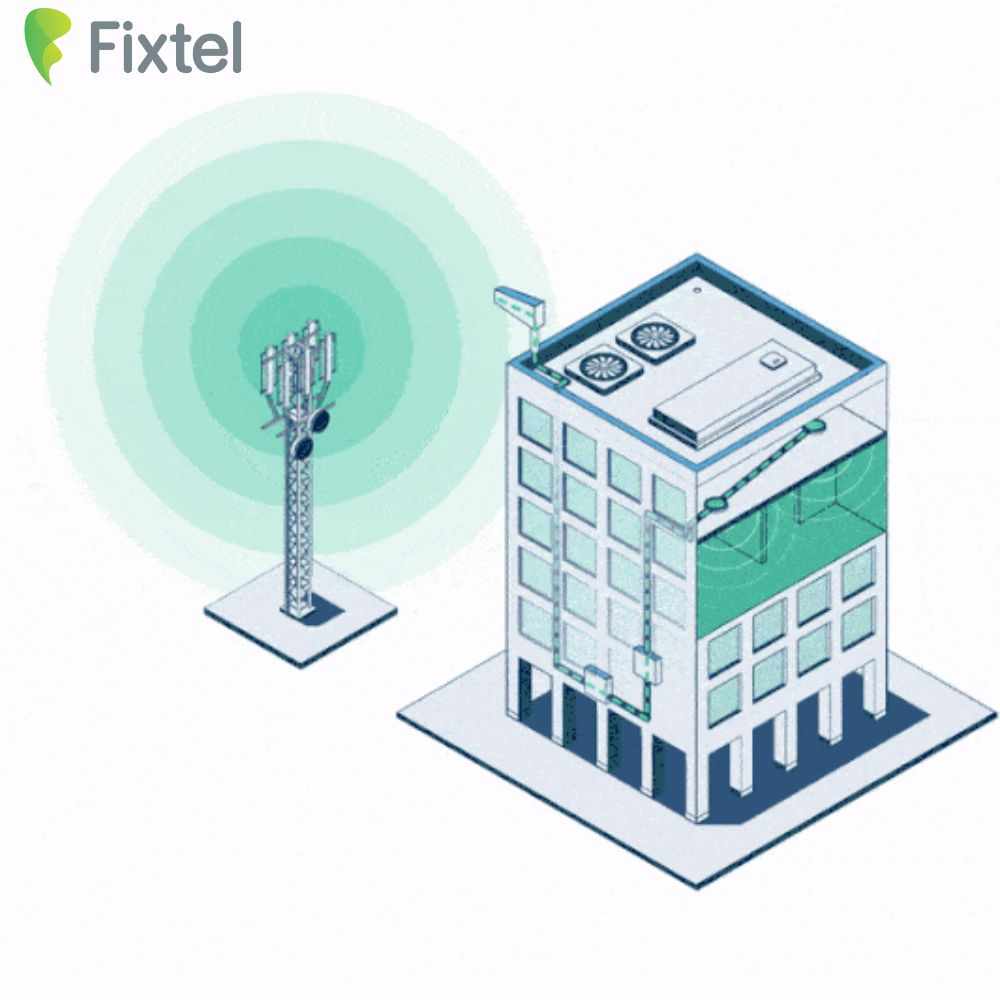
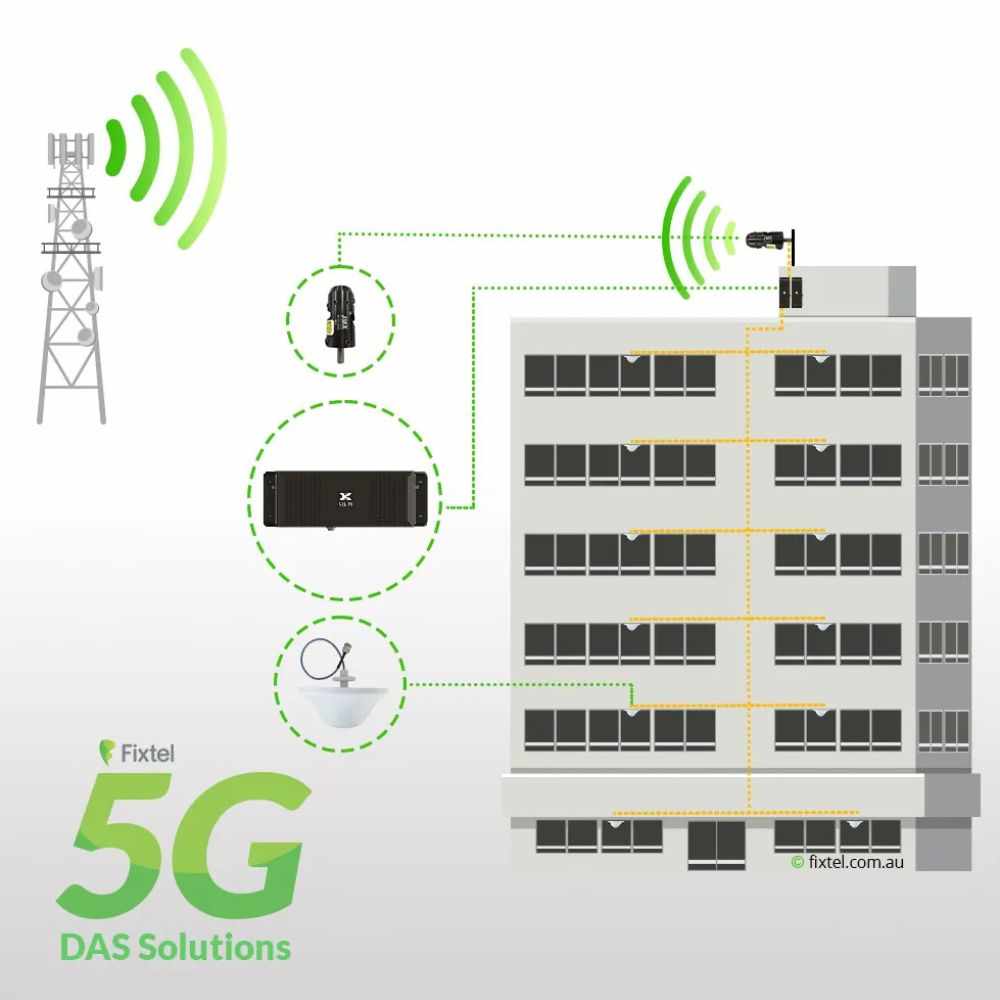
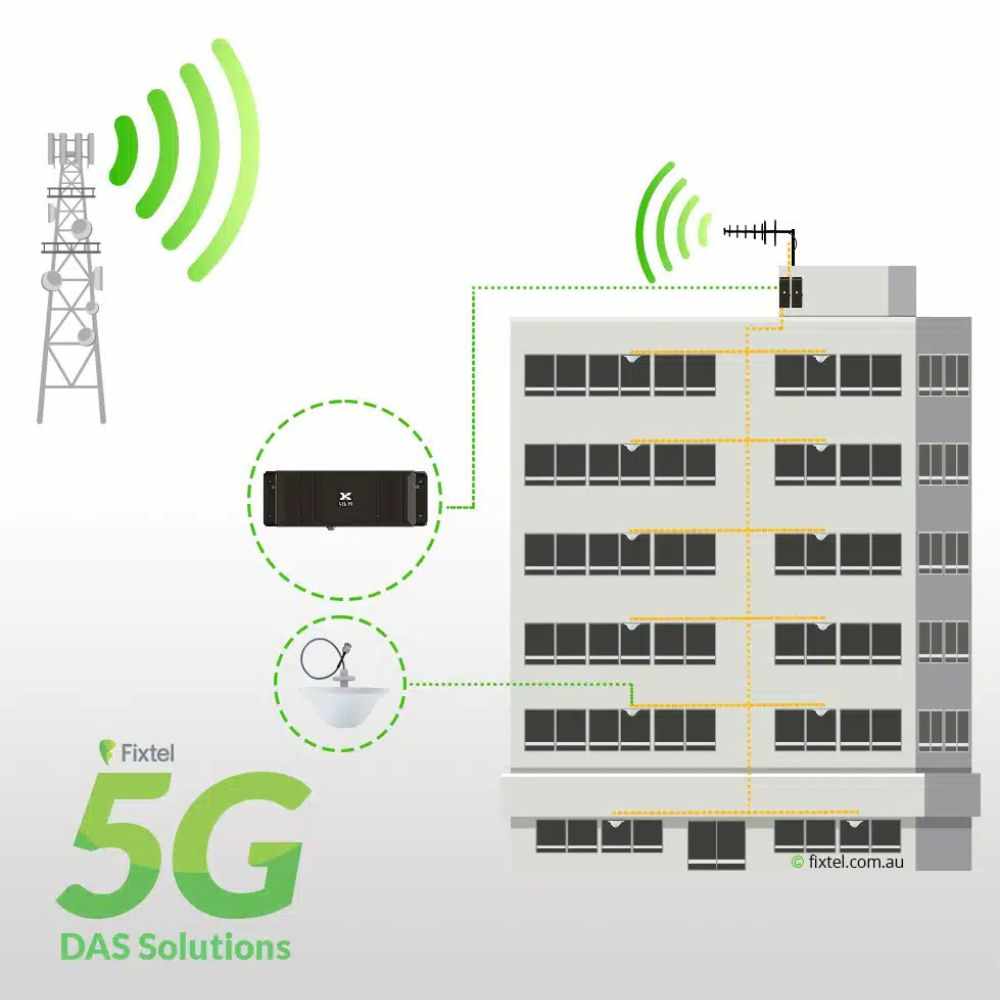
A typical system uses an external antenna to receive the available mobile signal. The signal is then passed through a booster unit and distributed through an indoor antenna so that coverage can be improved within the intended area.
The effectiveness of such a system depends on the signal available outside, the building's construction, the size of the area being covered, and the equipment being used.
It is important to understand that a booster does not create a mobile signal where none exists. Instead, it can help make better use of an existing signal that may be difficult to receive indoors.
Think About the Size of Your Property
The right solution can depend heavily on the size and layout of the building. A small home with one problem room may have very different requirements from a large office, warehouse, or multi-level property.
For larger spaces, coverage may need to be distributed across multiple areas rather than focused on a single room. In these situations, professional planning can help determine where antennas and other components should be positioned for effective coverage.
The goal isn't simply to make one location stronger. It's about creating reliable coverage where people actually need to use their phones.
Don't Ignore Your Phone and Network Settings
Before purchasing any equipment, it is worth checking some basic possibilities. Make sure your phone's software is up to date and that network settings are configured correctly. Restarting the device or checking whether other phones on the same network experience similar problems can also provide useful information.
If several Vodafone users experience poor reception in exactly the same location, the issue is more likely to be related to local coverage or the building rather than one particular phone.
You can also compare reception in different outdoor locations around your property. This can help you understand whether there is a usable external signal that could potentially be improved indoors.
Choosing the Right Approach
If you're considering a Vodafone mobile signal booster, don't choose a system based solely on price or advertised coverage area. Look at the conditions of your property and determine what type of coverage you actually need.
A professional assessment can be particularly useful when dealing with a large building, multiple floors, or consistently weak reception. An experienced installer can assess the available signal and recommend an appropriate setup based on the building and its requirements.
It is also important to make sure any equipment you use complies with applicable Australian telecommunications requirements. Using unsuitable or non-compliant equipment can potentially create interference and may not deliver the results you expect.
Improve Your Mobile Experience
Slow data and dropped calls don't have to be something you simply accept. By identifying where your signal is weakest, understanding how your building affects reception, and exploring suitable coverage solutions, you can take a more practical approach to improving connectivity.
For some properties, simple changes may make enough difference. For others, a properly planned signal boosting system may provide a more effective solution.
The key is to understand the problem before choosing the technology. A stronger mobile connection starts with knowing what is causing the weak signal and selecting a solution that matches your home's layout, network conditions, and everyday needs.




Write a comment ...